
Current Market Data
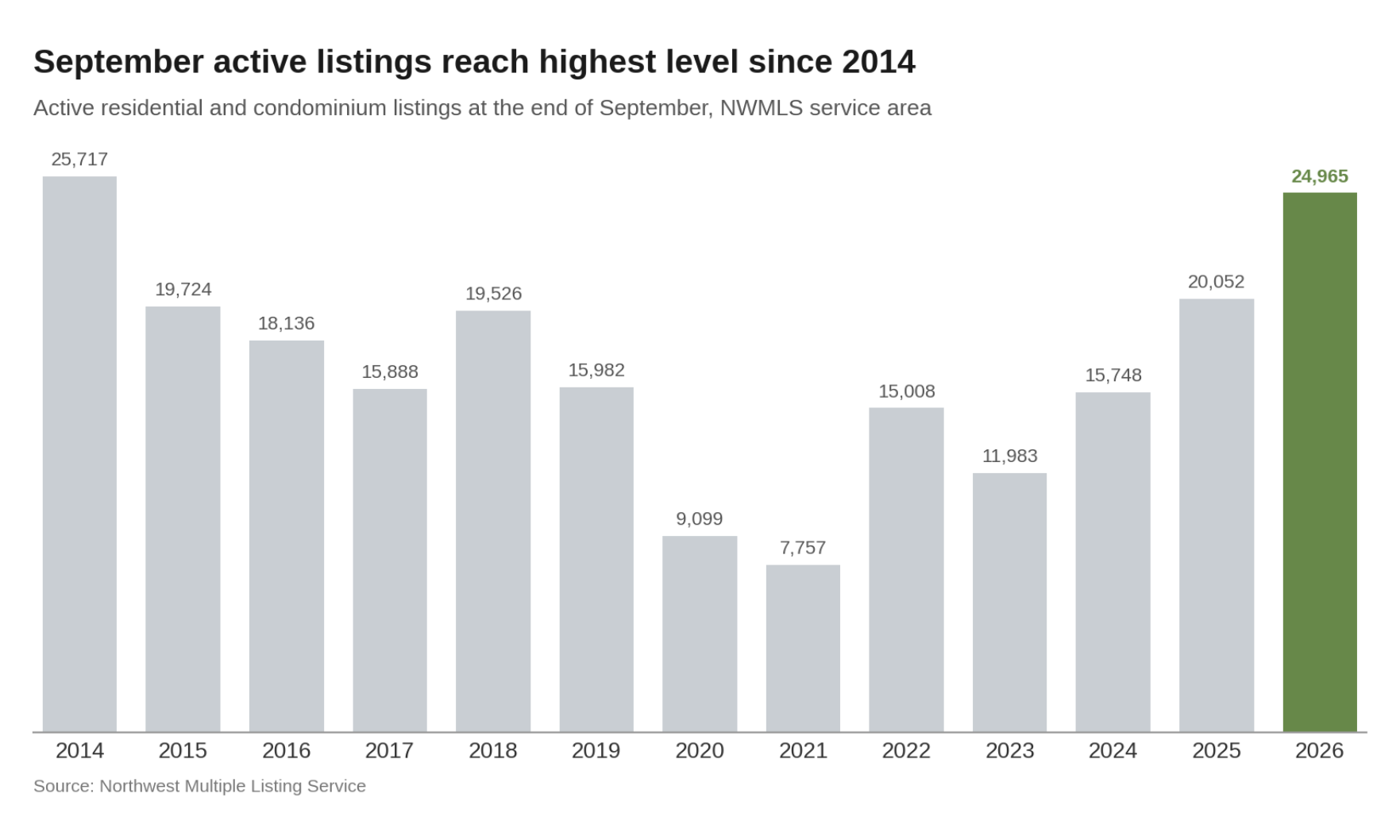
There were a total of 24,965 properties on the market in September, up 24.5% year over year. Over half of those listings were concentrated in three counties: King, Snohomish and Pierce.

In 17 out of the past 19 months, U.S. homebuilders have sold at a discount compared to existing-home sales.
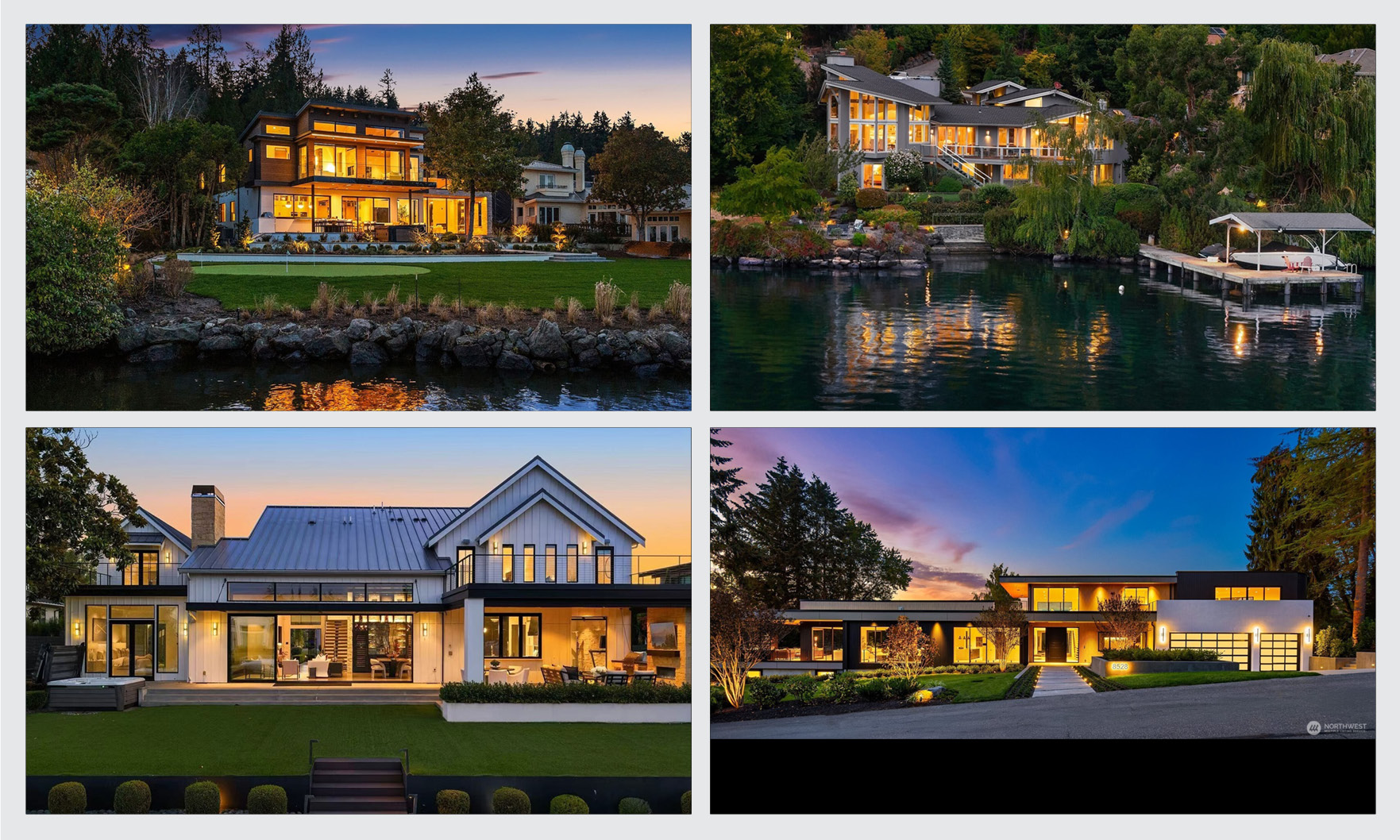
Waterfront properties on Mercer Island and Yarrow Point top the ranking of the priciest new listings in the greater Seattle area for September.

Popular bathroom upgrades in 2026 include bolder accents, specialized water features and structural changes.
S&P Dow Jones noted that although prices rose almost 2%, in real terms, they were down, thanks to inflation, which registered 3.4% in July.

New-home inventory fell to its lowest level since December.

The month-over-month bump in contract signings was still below the pace of last August.
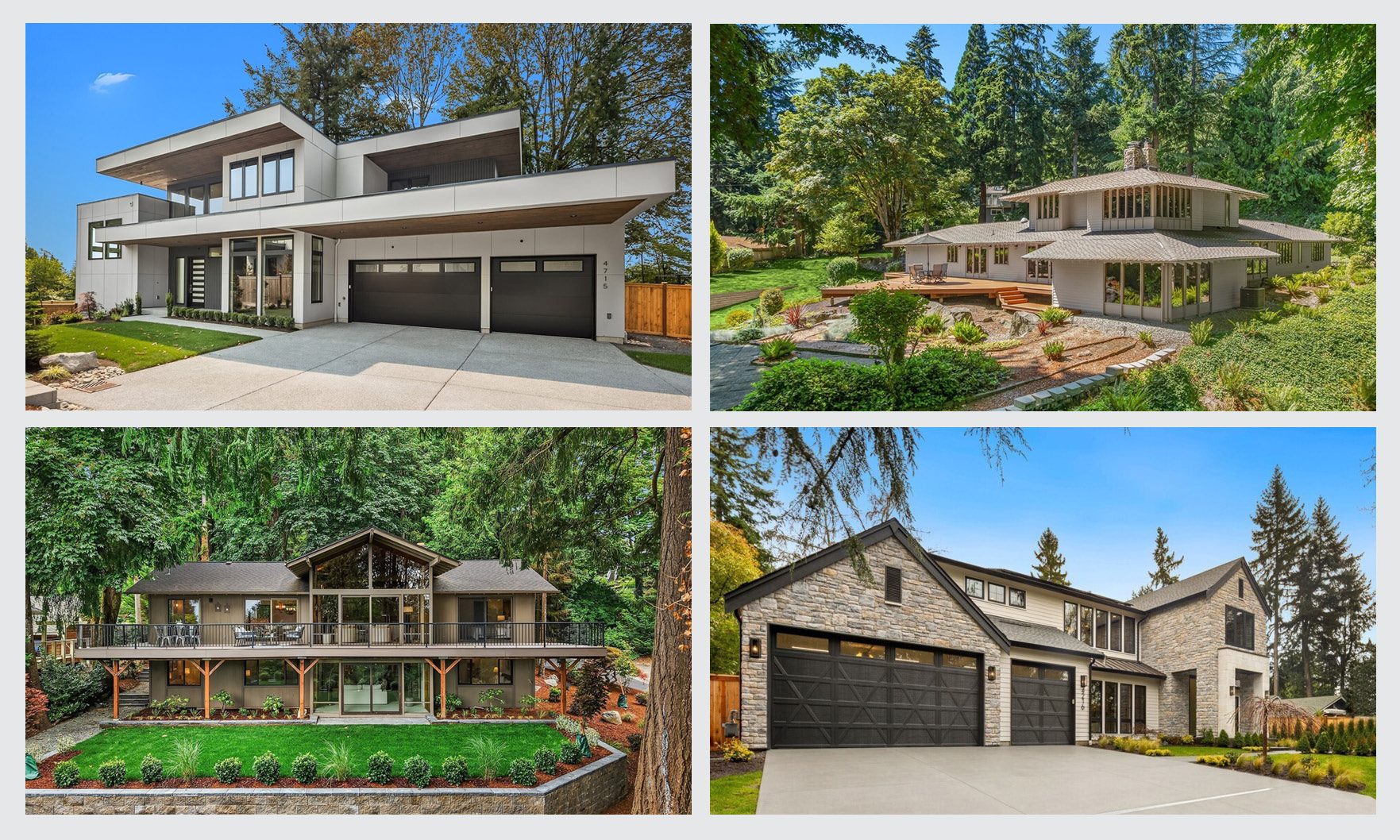
Mercer Island’s most expensive home sales last month were led by a $5.2 million property built just this year.

Since the Hispanic Wealth Project’s founding in 2014, Hispanic household wealth has more than tripled across the U.S.

In Seattle, buyers who wait until the third full week of October to buy stand to see 31.9% more active listings.

Puget Sound-area sellers are facing the most competitive housing market in years this fall as hesitant buyers hang back, Jeff Tucker shared in his August 2026 Local Look.

At the same time, the median-sales price rose again, as months’ supply of homes for sale hit a 10-year high.
Active listings rose to 24,675 homes on the market at month’s end, thanks to 9,546 new listings — a 9.3% year-over-year bump.

The increase in purchase activity offset a decrease in refinancings.
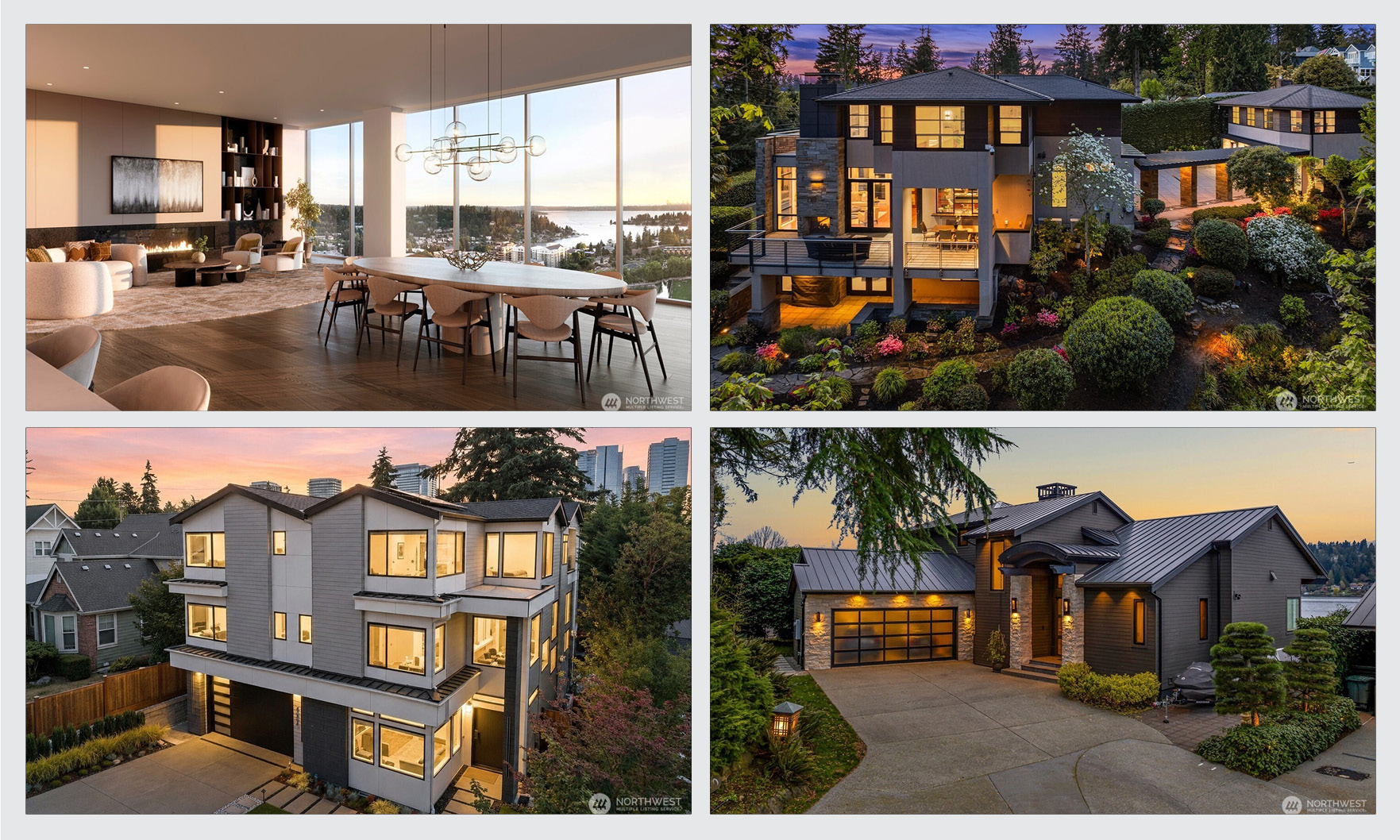
This month, we’re looking at the priciest new listings in Bellevue, led by a $10.3 million condo at the Park Row community.
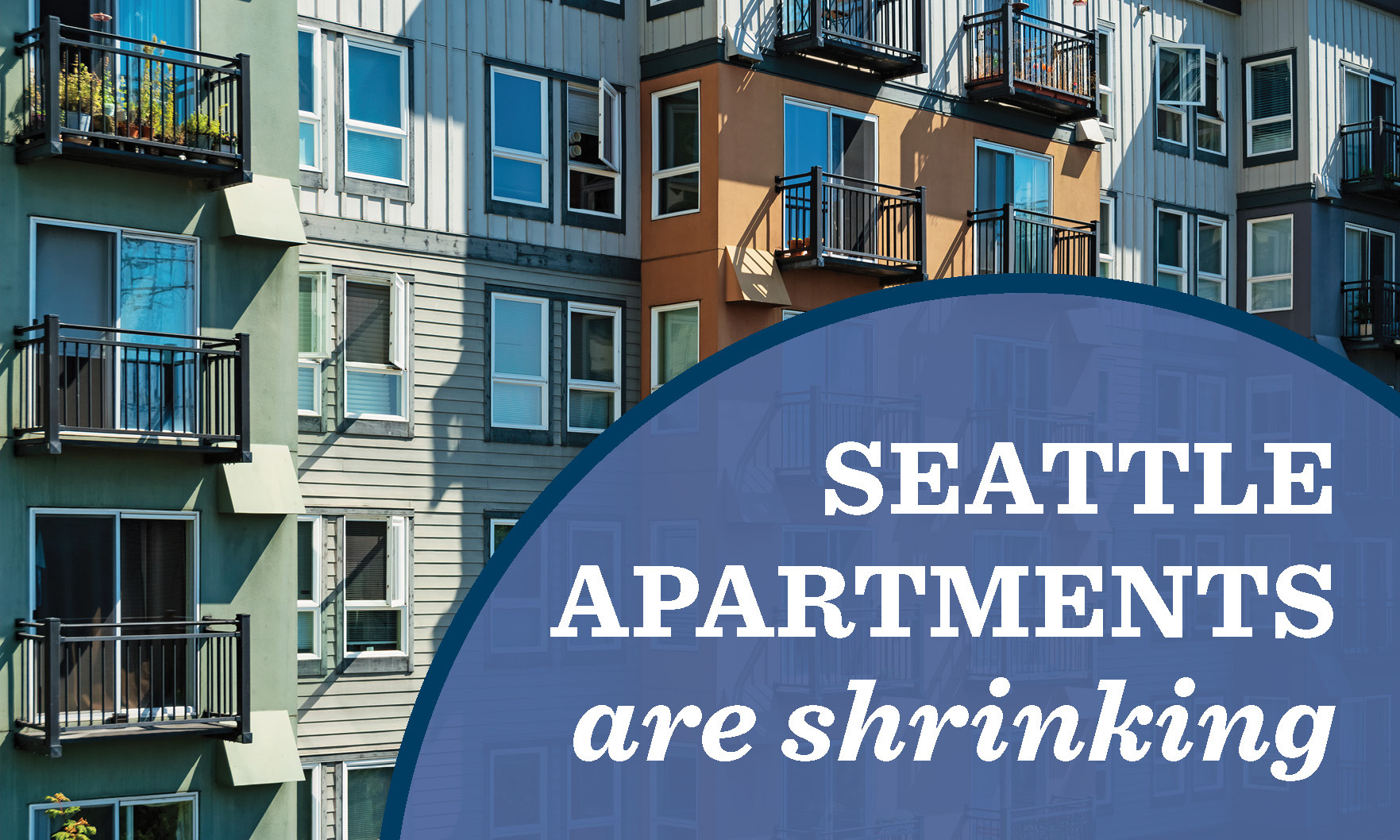
The Emerald City the place with the smallest apartments in the nation — smaller even, than San Francisco.