
Current Market Data
Single-family home permits and completions, meanwhile, also rose, according to the U.S. Census Bureau and the U.S. Department of Housing and Urban Development.
Meanwhile, July’s home sale prices had their highest increase since November.

Decelerated sales in July also contributed to an increase in the overall housing supply. Inventory grew to 1.76 months, up from 1.55 months in June.
A new report from Point2Homes illustrates just how much living space a person must give up to make the switch from renting to owning while maintaining the same housing budget.
Seattle emerged as one of the top ultra-luxury markets in the first half of 2023, according to the Mid-Year Ultra-Luxury report from Compass.

From June to July, the median monthly rent for a one-bedroom apartment fell 2.3% to $1,905 in Seattle.
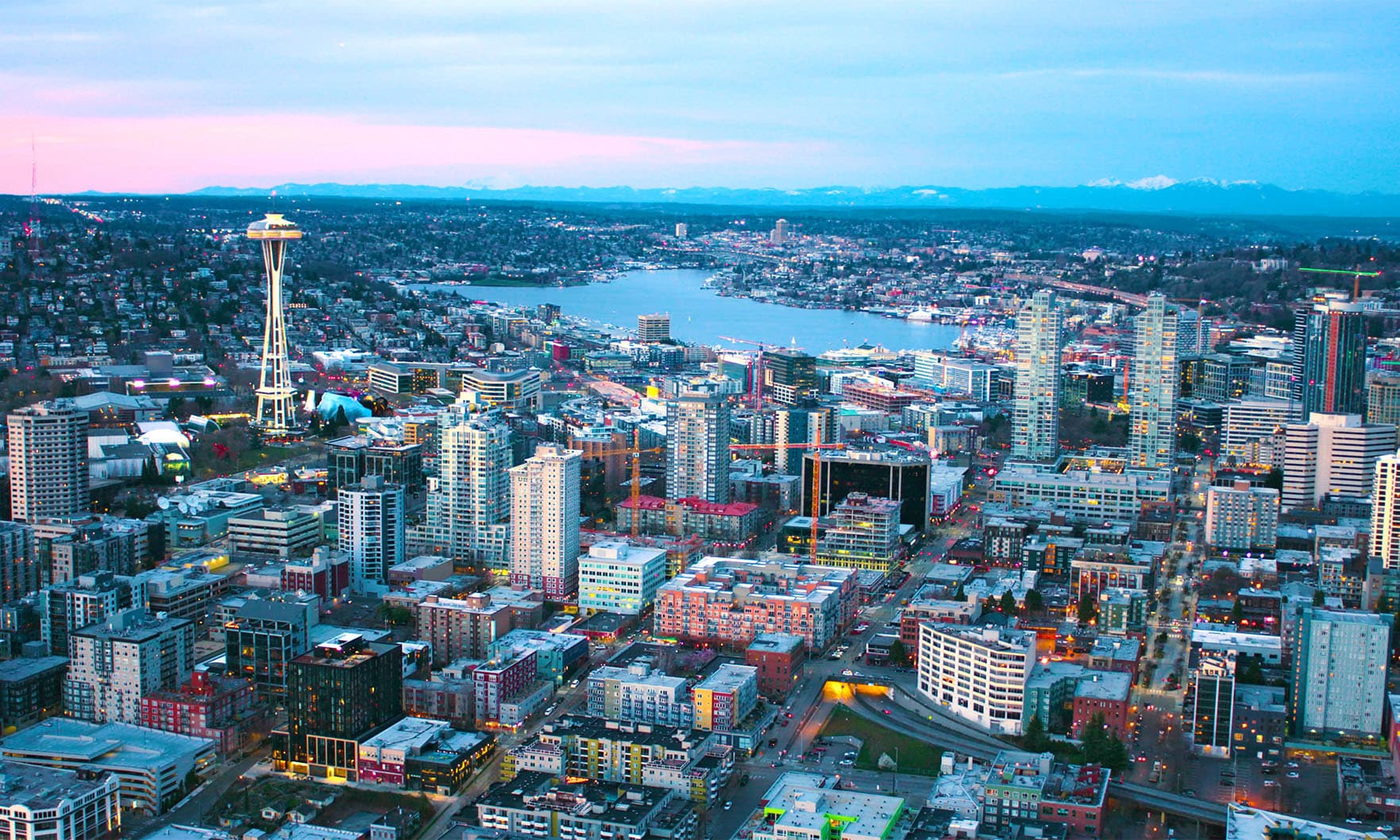
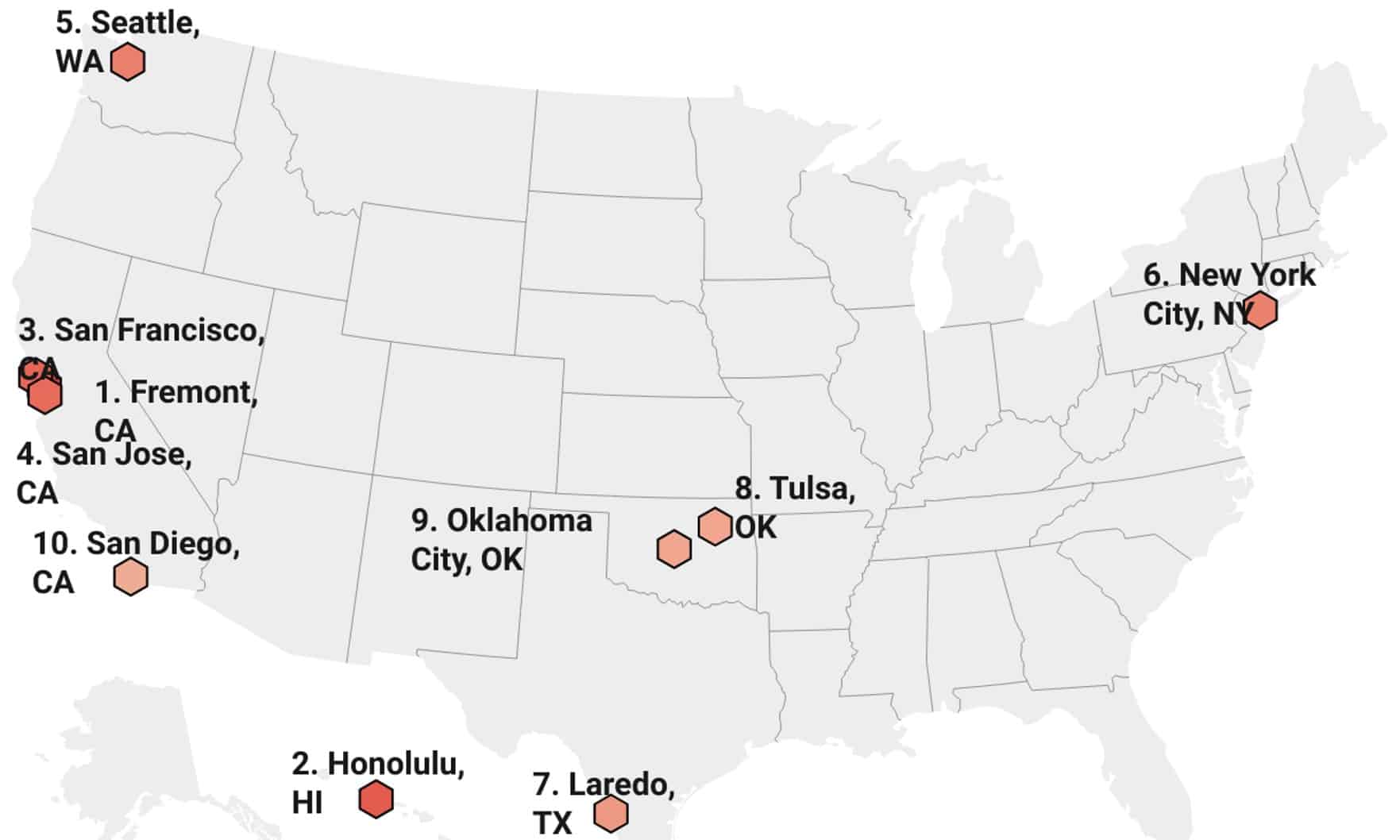
Seattle ranked as the 10th-most expensive city on the list, with the typical homebuyer in the area needing to spend $232,530 during the first year of homeownership.

Of survey respondents who made a wedding registry in the past two years, 85% said they would have preferred to receive money they could have used towards a down payment, mortgage payment or other associated homebuying costs.
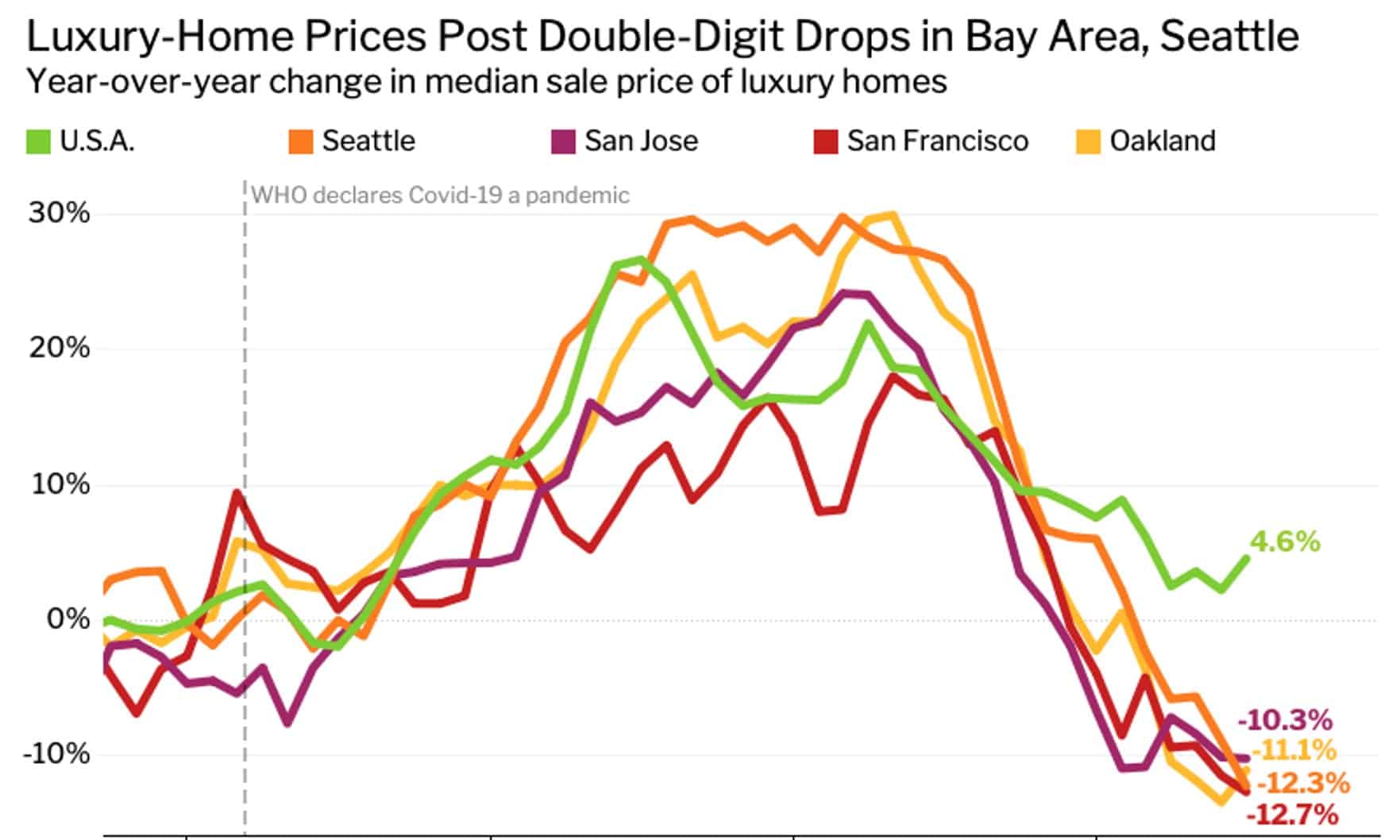
Redfin reports that the Emerald City’s year-over-year luxury-price cuts are the steepest on record in the metro.
The industry group issued its housing-market forecast along with its monthly Pending Home Sales Index for June.
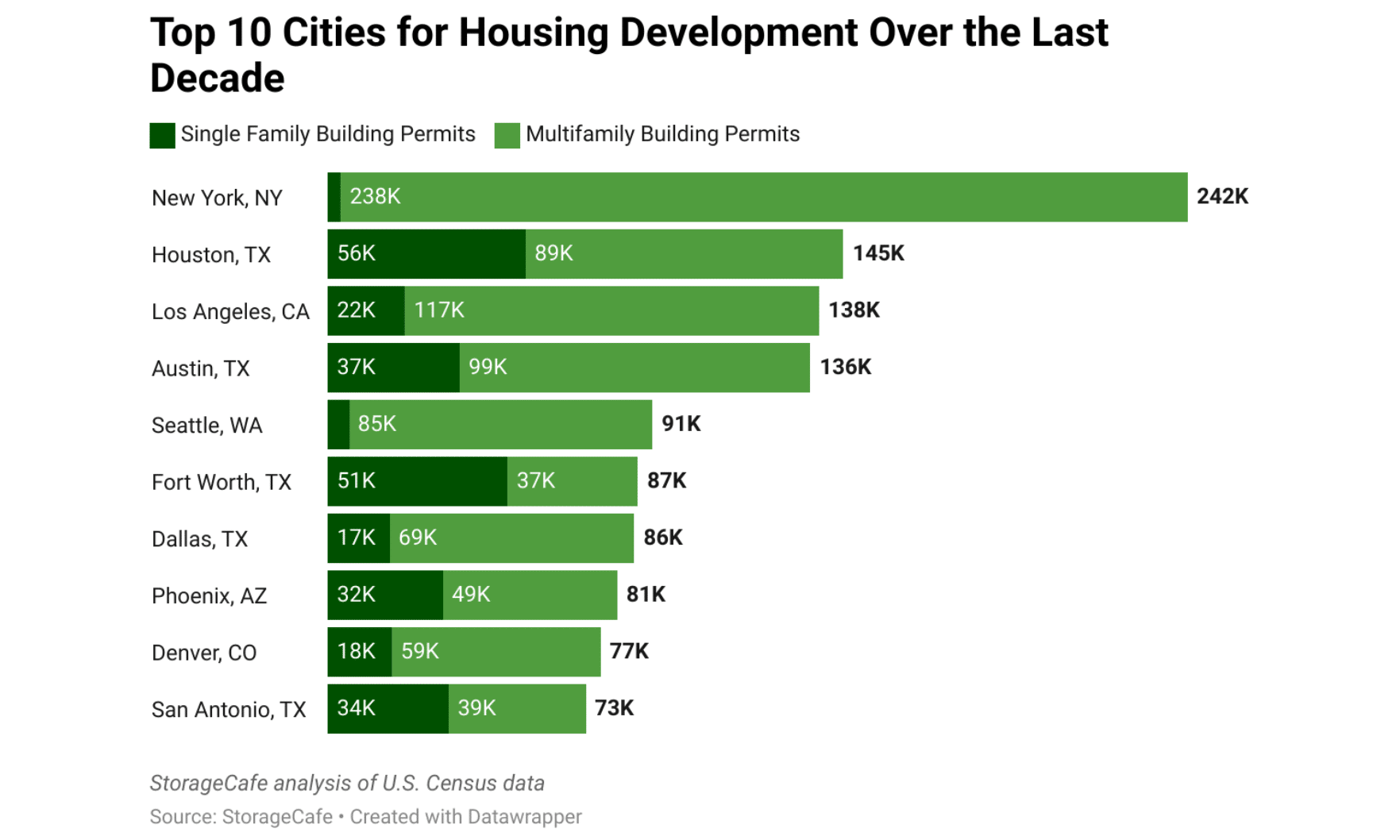
The Emerald City ranks No. 5 in the country when it comes to housing development over the past 10 years.

Seattle saw the country’s largest year-over-year decrease in home sales in June, the second consecutive month the city has topped that list.
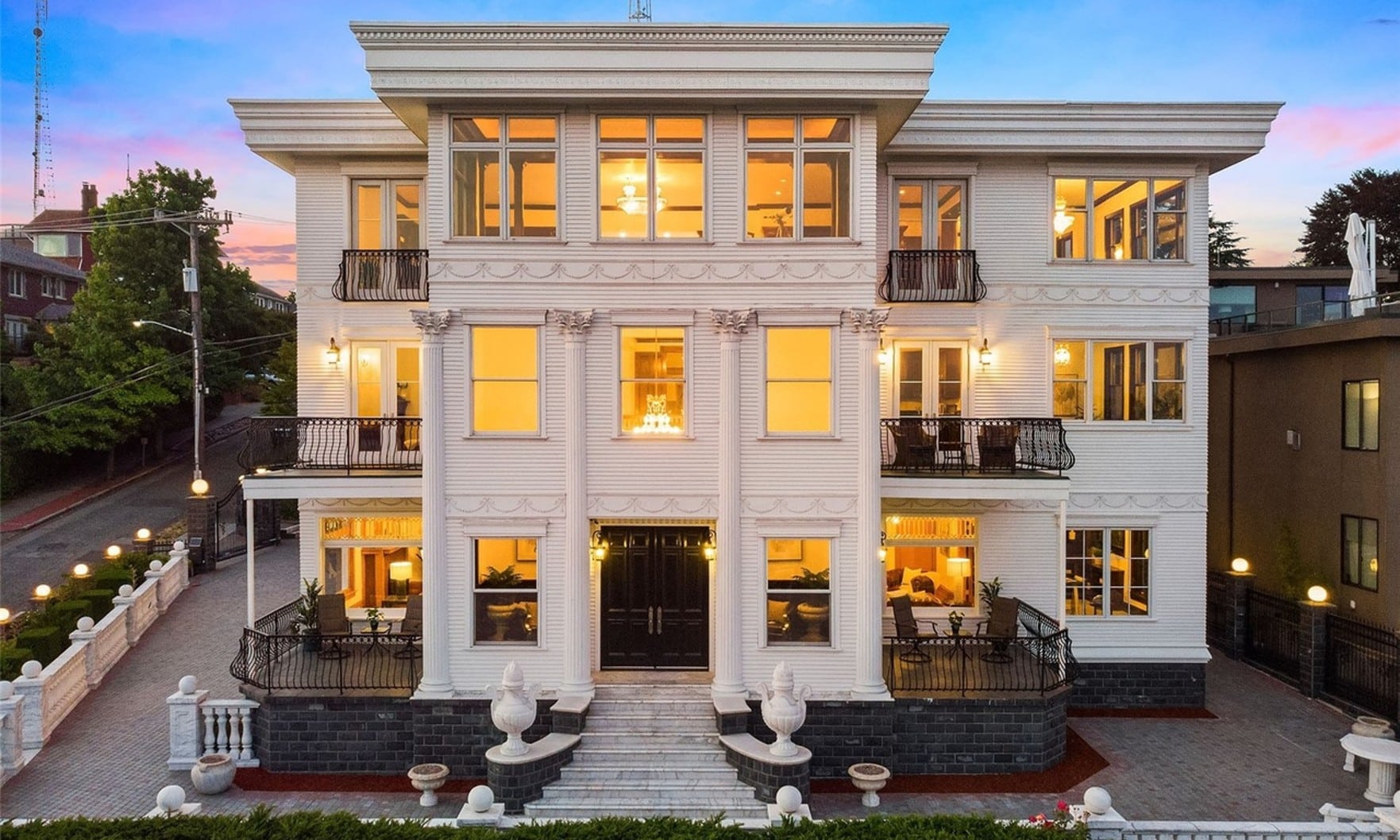
Luxury views are on the menu with this month’s batch of the most expensive new listings for sale in the Emerald City.

Back in 2018, Freddie Mac stated that the country still needed about 2.5 million extra homes in order to meet demand. Then the pandemic homebuying boom depleted already-low inventory levels and high mortgage rates in the second half of 2022 chained many homeowners to their existing low rates.

The median existing-home price for all housing types in June rose to $410,200, 0.9% less than the all-time high of $413,800 reached in June 2022, the National Association of REALTORS® said.

Low inventory and high demand are buoying builder sentiment in the face of several headwinds.