
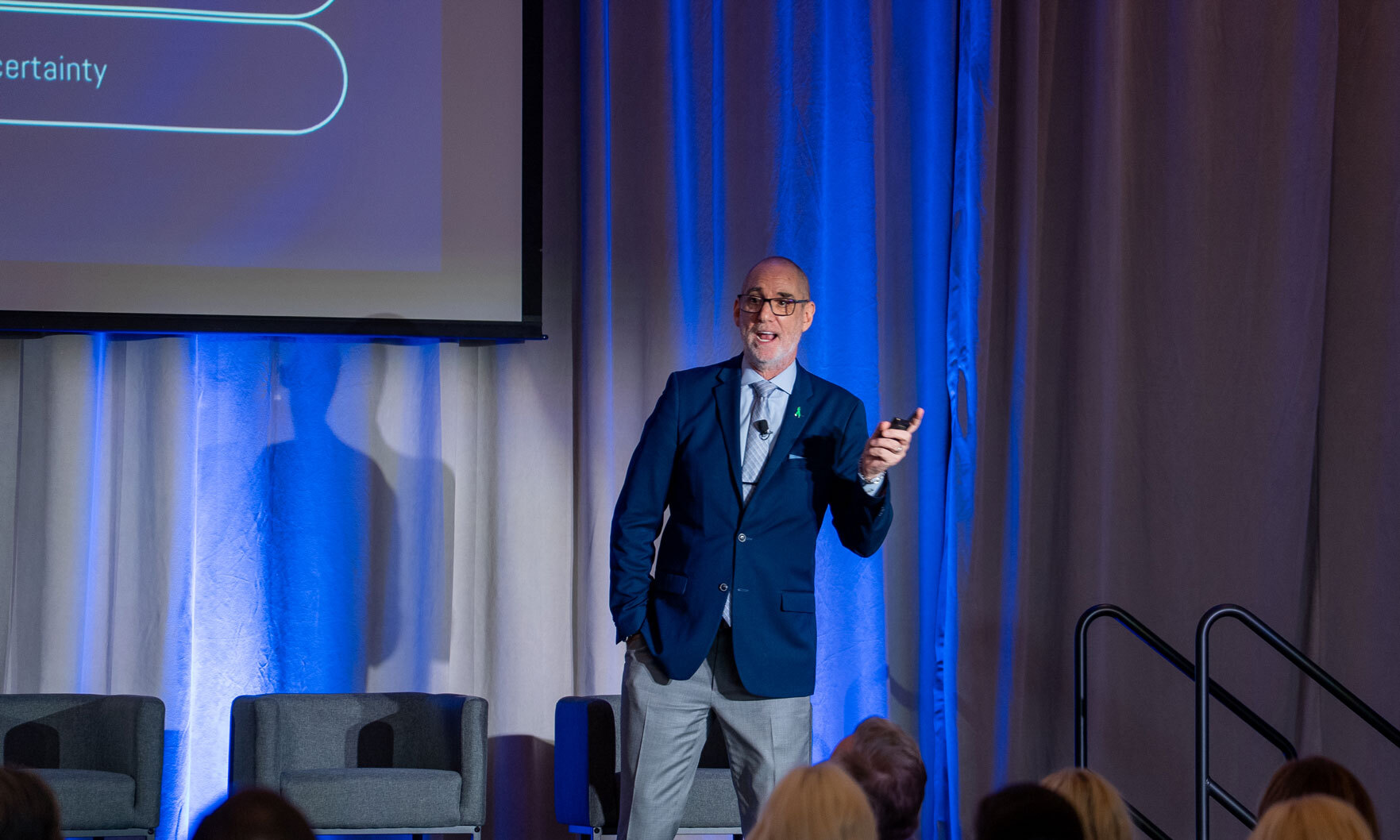
Buying or selling a home, arguably the biggest transaction you will make in your life, can spur all sorts of uncertainties. Matthew Gardner, chief economist at Gardner Economics, offered local market insights during Seattle Agent magazine’s Accelerate Summit on March 25 at the InterContinental Bellevue hotel.
“I expect that the region’s ownership housing market will see modest sales and home price growth in 2026,” noted Gardner, who has followed national and regional real estate markets for more than 25 years and was the former chief economist at Windermere Real Estate. “However, potential challenges, including economic fluctuations and housing affordability, will continue to act as headwinds when it comes to a return to a more balanced ownership housing environment.”
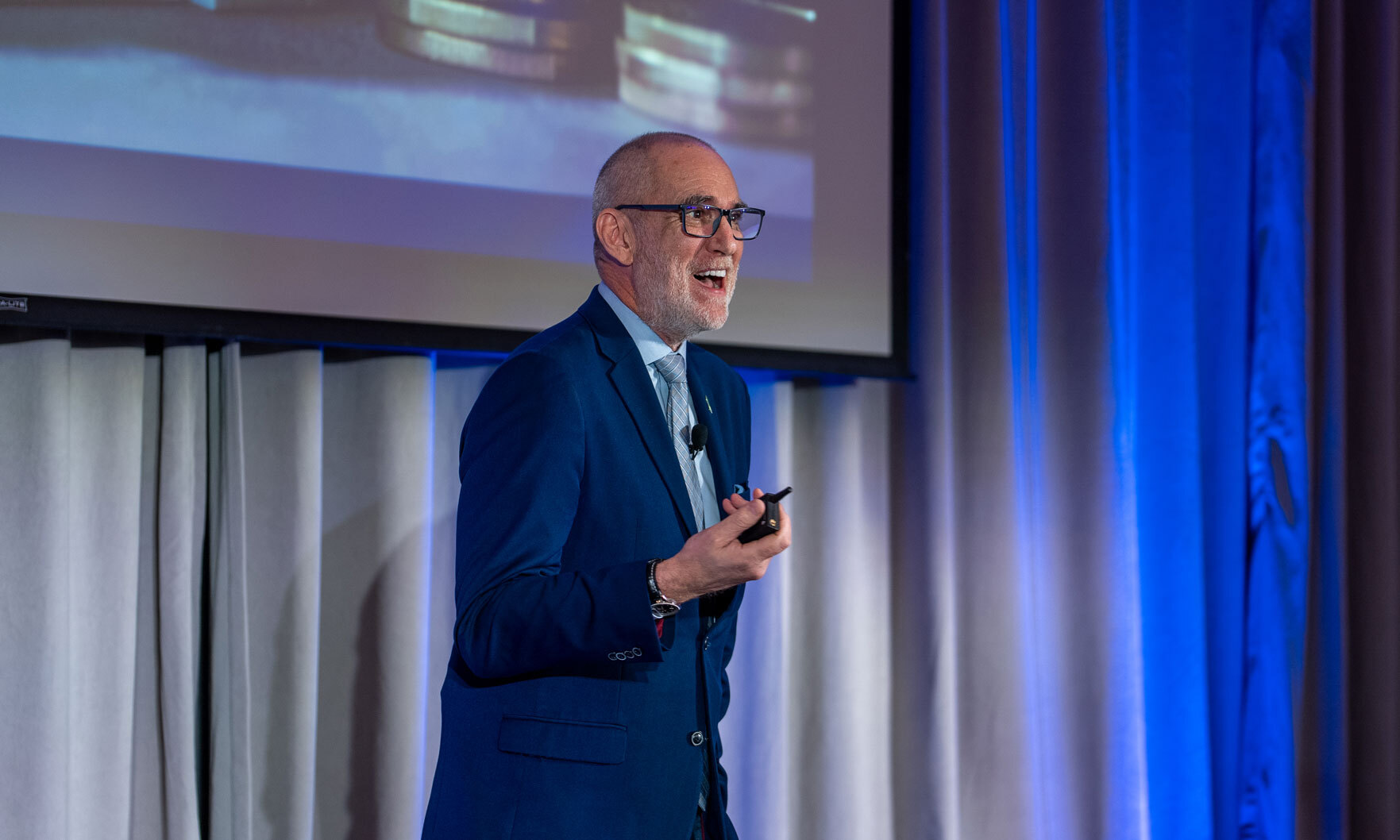
To help brokers understand what lies ahead for local buyers and sellers in 2026, here are five key takeaways from Gardner’s Accelerate Summit session:
1. Rising Tri County single-family market
This year, Gardner expects new listings in King County to rise 4.8%. Sales are projected to rise 2.2%, with 16,900 single-family home sales anticipated. Prices are expected to rise 3.9%, reaching an average single-family home price of $1.27 million. In Snohomish County, new listings are expected to rise 6.2%. Sales are projected to rise 5%, totaling 6,800 single-family home sales. Prices are forecast to rise 3.2%, with an average single-family home price of $890,000. In Pierce County, inventory growth is expected to be relatively little. Sales are anticipated to rise 6.9%, reaching 9,500 single-family home sales. Prices are expected to rise 4.4%, resulting in an average single-family home price of $654,000.
2. Housing affordability isn’t just a Seattle issue
According to Gardner, only eight of Washington state’s 39 counties are technically affordable to a family making the median income. These counties are Adams, Columbia, Ferry, Garfield, Lincoln, Pend Oreille, Stevens and Wahkiakum. Only two counties are affordable to first-time buyers: Columbia and Lincoln.
Gardner rhetorically asked the Accelerate Summit’s crowd, “How are Washington businesses supposed to be able to compete for talent if the salaries needed to be able to own a home are prohibitive?”
3. Headwinds and tailwinds
The list of challenges facing Seattle’s housing market is lengthy — from population growth to tech-sector job losses, declining affordability to persistently higher mortgage rates and even political uncertainty, according to Gardner. On the flip side, opportunities such as pent-up (and persistent) demand from entry-level buyers, an ebb in asking prices that creates good value for buyers and migration to the region, which drives housing demand, will all benefit the resale market.
4. See-saw mortgage rates
“I expect the 30-year rate to move ‘modestly’ lower as we move through 2026,” Gardner said. “I anticipate the rate over the long run to ‘see-saw’ on either side of 6%.”
5. Material costs and labor gap
Local housing supply and real estate developments face three big challenges: a shortage in building materials like lumber, steel and copper; difficulty finding skilled labor across construction trades (Gardner notes, “Current immigration policies are magnifying the issue.”); and regulations, or the cost of purchasing land, which will push projects to a level where many simply do not pencil, according to Gardner.